Ohio's minimum wage of $11 in 2026 is about average in the United States, and it is significantly higher than than the base federal minimum wage of $7.25 still used in 20 states.
 Federal
 Ohio
OhioAssuming a standard 40-hour work week, the weekly minimum wage in Ohio is $440. For full-time employees working 52 weeks per year, the annual minimum wage in Ohio is $22.9K.
Based on $11/hr minimum
Based on $11/hr minimum
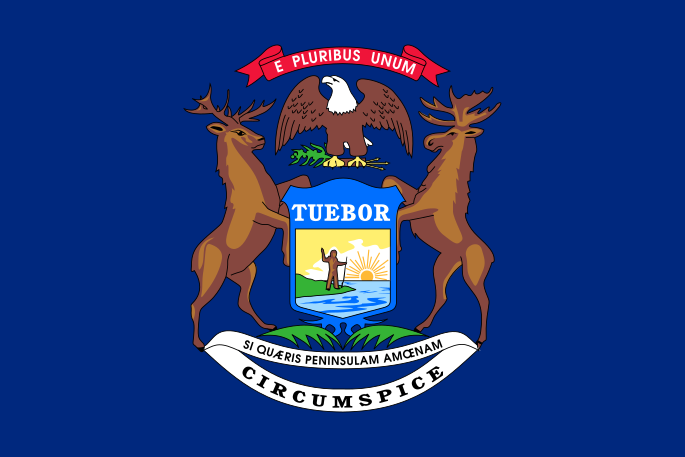
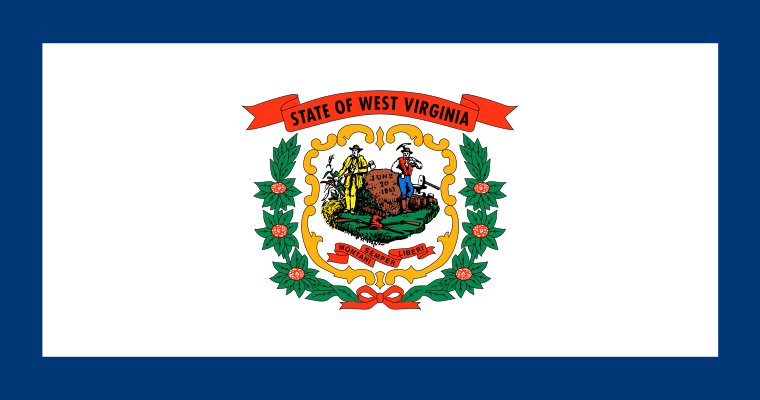
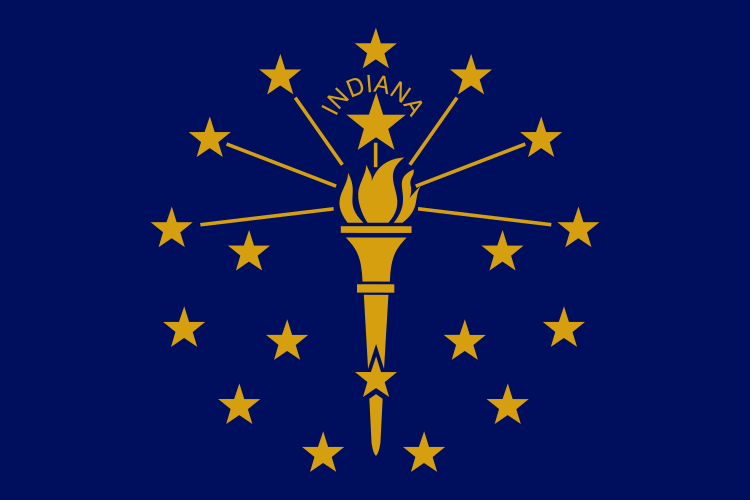
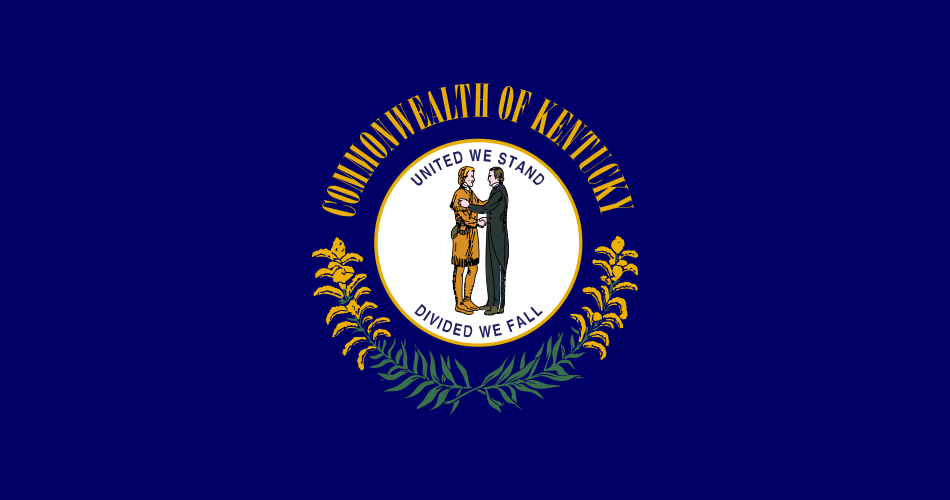
The minimum wage rate of Ohio and its neighboring states ranges from $7.25 to $13.73, with an average of $9.21. Ohio, at $11, has an above average hourly minimum wage within this group of states. Michigan ($13.73) has higher hourly rates than Ohio. West Virginia ($8.75), Indiana ($7.25), Kentucky ($7.25), and Pennsylvania ($7.25) have lower hourly rates than Ohio.
 Ohio
OhioWhile the general minimum wage is $11 per hour in Ohio, there are exceptions where workers may legally receive less than this amount:
Can be paid $4.30/hr in cash wages if tips bring them up to at least the Ohio minimum wage of $11/hr.
Workers under 20 years old may be paid a lower “training wage” (85% of the Ohio minimum wage, $9.61/hr) for the first 90 consecutive days of employment.
Ohio's cost of living index for 2025 is 94.3, which places it as the 32nd most expensive state to live in the United States.
 National
100
Ohio94.3
Assuming a standard 40-hour work week, the real wage in Ohio, adjusted for the state’s cost of living index of 94.3, is approximately $11.66 per hour. This means that while the nominal minimum wage is $11 per hour, the purchasing power of those earnings is higher due to Ohio's lower cost of living expenses. For full-time employees, the real weekly earnings amount to roughly $466.60, translating to an annual purchasing power of $24,262.99 when working 52 weeks per year.
Adjusted
Adjusted
Adjusted
95K
100K
105K
110K
115K
120K
According to the most recent data, the median household income in the United States has seen a significant increase in 2023.
Ohio’s minimum wage is set above the federal baseline and includes scheduled increases tied to inflation for larger employers, while smaller employers follow a slightly lower rate. The state system is adjusted periodically rather than remaining fixed, reflecting both voter-approved reforms and statutory updates that gradually phase in higher wage levels over time.