Oklahoma's minimum wage of $7.25 in 2026 is below average in the United States, and it is the same as than the base federal minimum wage of $7.25 still used in 20 states.
 Federal
 Oklahoma
Assuming a standard 40-hour work week, the weekly minimum wage in Oklahoma is $290. For full-time employees working 52 weeks per year, the annual minimum wage in Oklahoma is $15.1K.
Based on $7.25/hr minimum
Based on $7.25/hr minimum
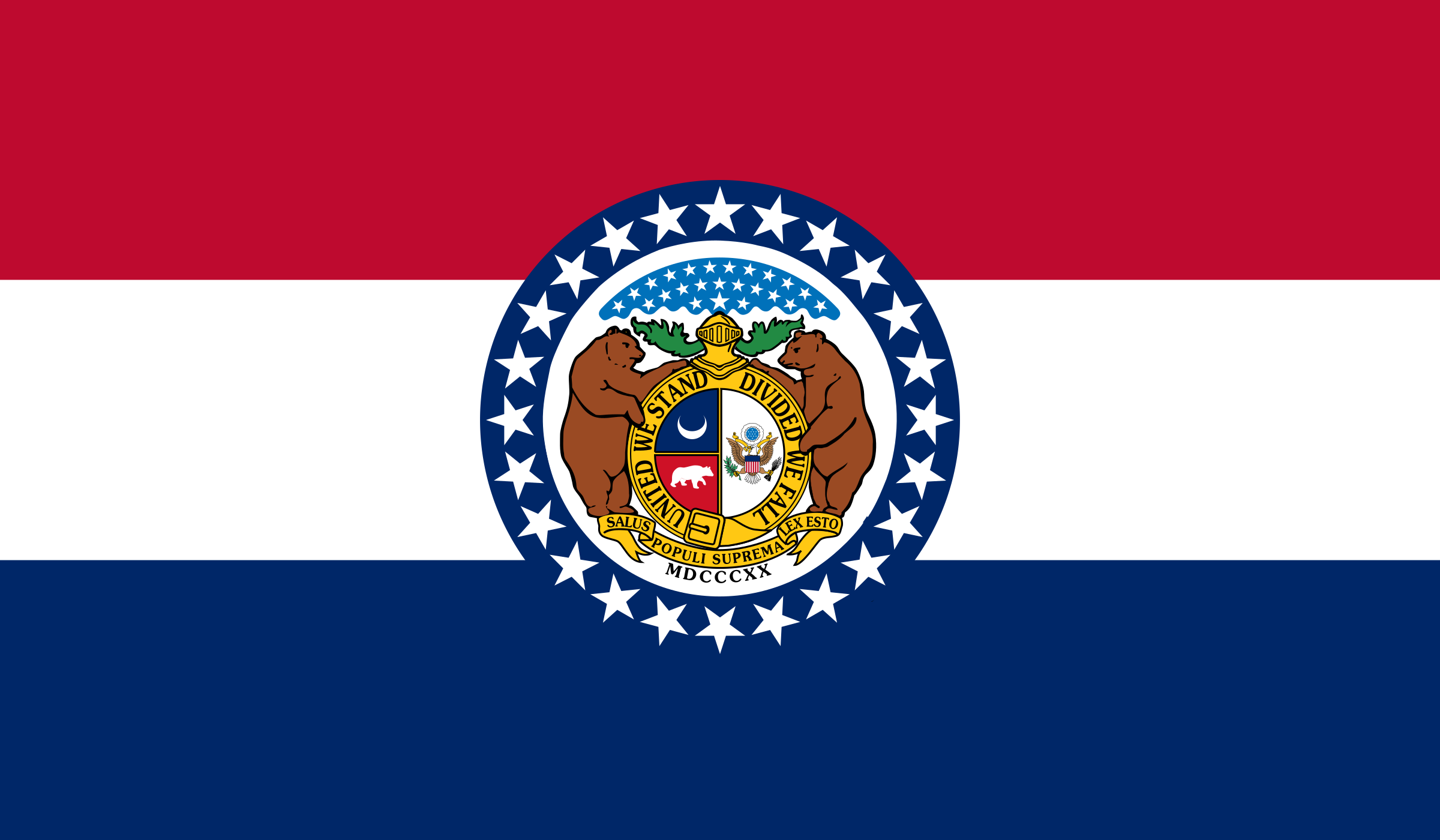
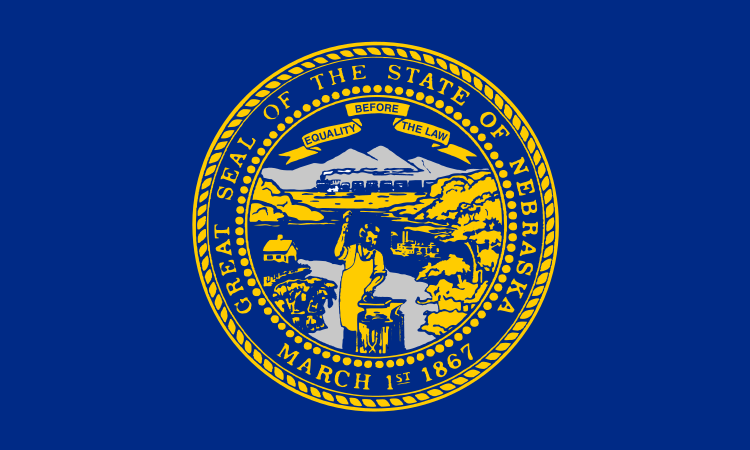
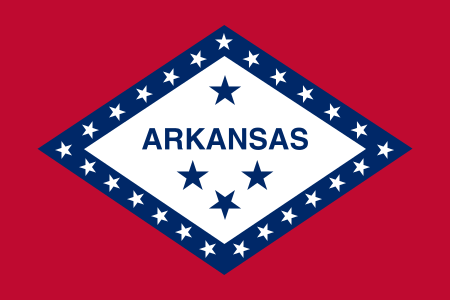
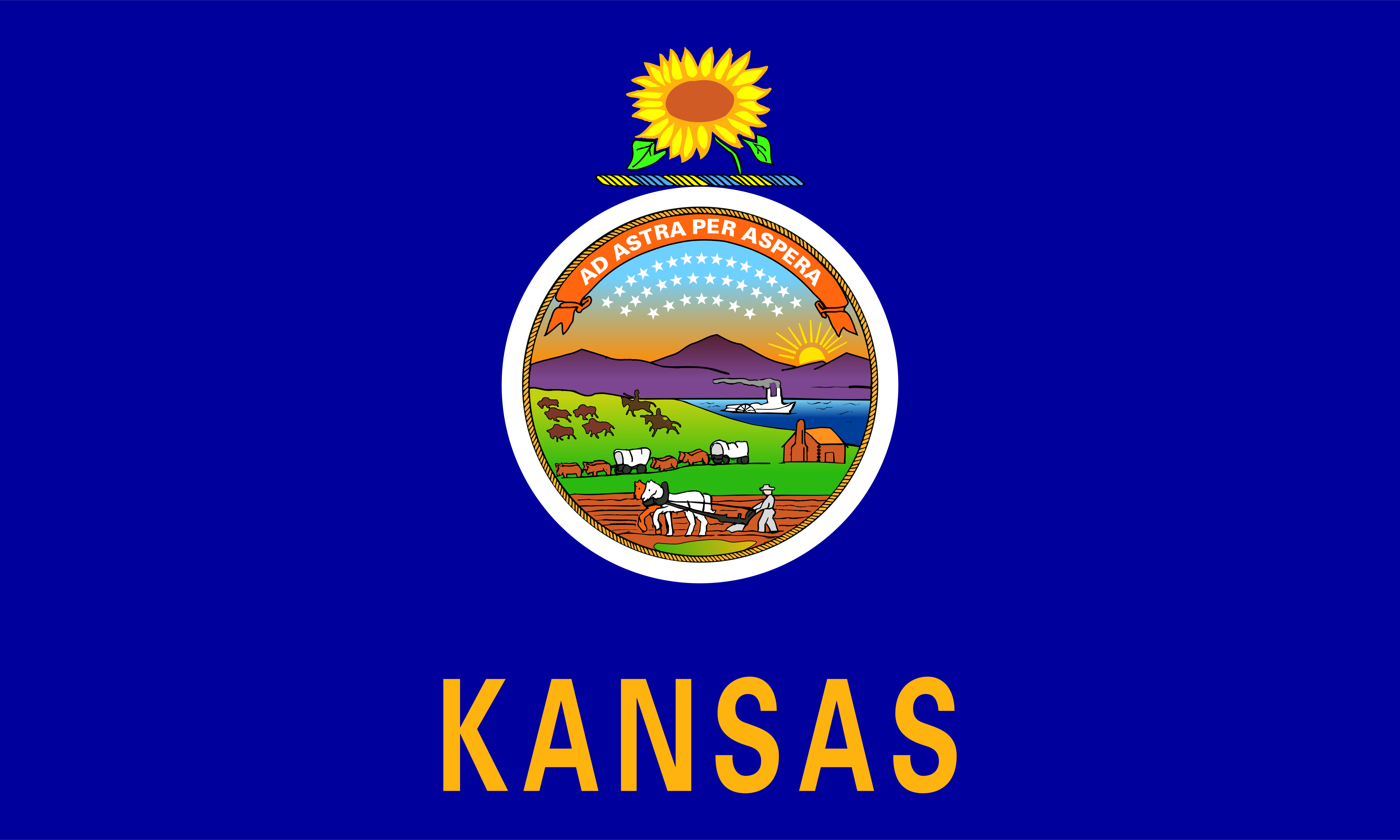
The minimum wage rate of Oklahoma and its neighboring states ranges from $7.25 to $15, with an average of $10. Oklahoma, at $7.25, has the lowest hourly minimum wage within this group of states. Missouri ($15), Nebraska ($15), and Arkansas ($11) all have higher hourly rates than Oklahoma. Kansas, Louisiana, and Texas share the same $7.25 hourly rate as Oklahoma.
 Oklahoma
While the general minimum wage is $7.25 per hour in Oklahoma, there are several exceptions where workers may legally receive less than this amount:
Employees who regularly receive tips may be paid a reduced cash wage. Employer must ensure tips + cash wage together reach at least $7.25/hr; employer makes up any shortfall.
Full-time high school or college students working part-time (≤20 hrs/week) in retail, service, agriculture, or higher-education jobs may be paid 85% of minimum wage.
These employees are exempt from state minimum wage legislation.
Workers on farms, ranches, or engaged in animal husbandry (including farm mechanics) are exempt from state minimum wage requirements.
Individuals engaged in domestic service in private homes (e.g., housekeeping, caregiving) are exempt from the Oklahoma Minimum Wage Act.
Sub-minimum wages may apply based on the individual's documented productive capacity relative to a non-disabled worker performing the same job.
Employers with fewer than 10 full-time employees AND annual gross sales under $100,000 who are not covered by FLSA may pay a lower state-only rate.
Any employee of an employer subject to the federal FLSA who receives the federal minimum wage is considered compliant with state law (state exemptions do not override FLSA coverage).
Individuals employed in casual babysitting or as caretakers for the elderly or infirm in private homes are exempt.
Employees working in seasonal amusement or recreational establishments are exempt under FLSA guidelines adopted by Oklahoma.
Sales employees who customarily work away from the employer's place of business are exempt from minimum wage and overtime requirements.
Salaried workers meeting duties and salary-level tests (≥$1,128/week as of Jan 1, 2025) are exempt from minimum wage and overtime.
Oklahoma's cost of living index for 2025 is 86, which places it as the 52nd most expensive state to live in the United States.
 National
100
Oklahoma86
Assuming a standard 40-hour work week, the real wage in Oklahoma, adjusted for the state’s cost of living index of 86, is approximately $8.43 per hour. This means that while the nominal minimum wage is $7.25 per hour, the purchasing power of those earnings is higher due to Oklahoma's lower cost of living expenses. For full-time employees, the real weekly earnings amount to roughly $337.21, translating to an annual purchasing power of $17,534.88 when working 52 weeks per year.
Adjusted
Adjusted
Adjusted
92K
94K
96K
98K
100K
102K
104K
106K
108K
110K
According to the most recent data, the median household income in the United States has seen a significant increase in 2023.
Oklahoma’s minimum wage is set by state law to match the federal minimum wage of $7.25 per hour. The Oklahoma Department of Labor enforces wage laws, and state requirements apply to employers with at least 10 employees or annual gross sales over $100,000, unless covered by federal law.