Highway Systems by Country 2026



Transportation systems are different from one country to another. Traveling internationally can make it clear that the infrastructures vary greatly. Some countries have extensive highway systems that make it easy for those with a car to get from one place to another, while others rely heavily on public transportation to make it easier for citizens and tourists to make their way around.
In some countries, such as Australia, highways, freeways, expressways, and motorways are all fully different. In many areas, the term highway is used to describe large roads that connect one city to another, and are the best way to move from one major area to the next. The other terms—freeways, expressways, and motorways—are used to describe roads that are meant for traveling long distances.
There are many highways that have become famed for their scenery, narrow passageways, and more. California 1, also known as the Pacific Coast Highway, runs 656 miles and offers drivers a stunning view of the Pacific Coastline. Drivers can stop at many points on the highway to take in the scenery, visit small coastal towns, and pause to enjoy the sunset over the waves of the Pacific.
The Trans-Canada highway is also known for both it’s scenery and it’s length, spanning more than 7,400 kilometers from the Atlantic Ocean to the Pacific Ocean. In most areas of Canada, the highway is known as Highway 1.
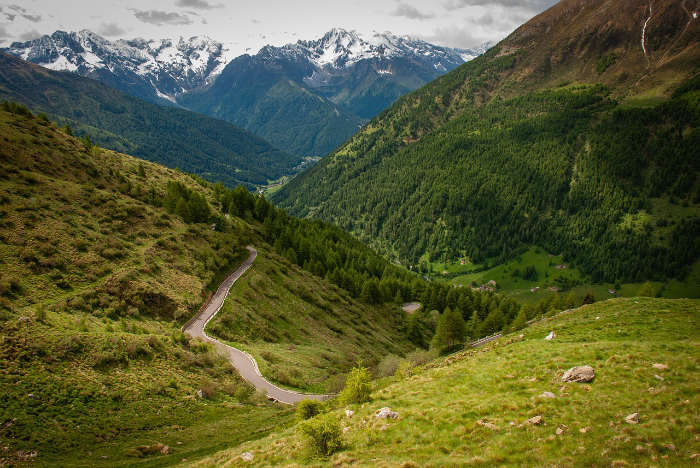
Drivers interested in putting their skills to the test may want to book a trip to drive the Stelvio Pass in Italy. With 60 hairpin turns, this road is not for the faint of heart. In addition to providing drivers with a one of a kind driving experience, the road also is more than 9,000 feet above sea level, offering gorgeous scenic views of the Italian countryside.